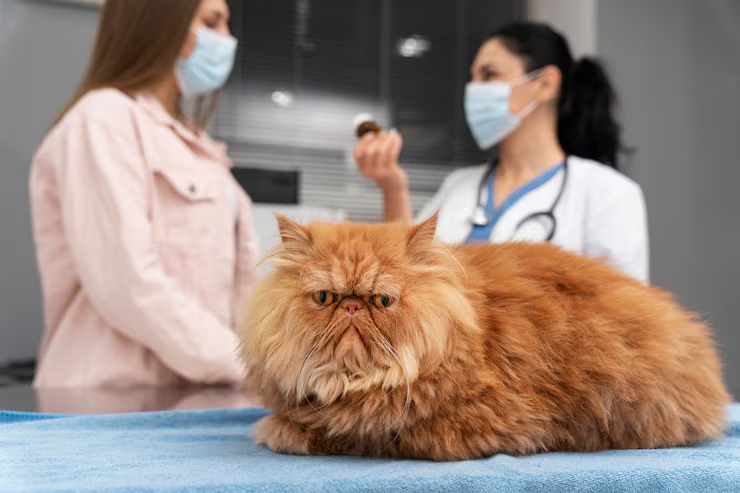
As the crisp winter air settles over the regions of Manukau and Papakura, the change in temperature and humidity brings a unique set of challenges for our domestic companions. At The Vet Clinic, we understand that pet owners in Auckland often face uncertainty when the seasons shift, wondering if a slight shiver or a change in appetite is merely a reaction to the cold or a sign of something more serious. Winter in South Auckland is characterized by its dampness and fluctuating temperatures, conditions that can exacerbate underlying health issues or lead to new seasonal ailments.
Ensuring your pet remains healthy during these months requires a proactive approach and a keen eye for subtle behavioral changes. This comprehensive guide is designed to help you identify the critical signs that your pet requires professional attention, ensuring they receive the best possible care throughout the winter season. Understanding winter pet health helps South Auckland families keep their pets safe, healthy, and comfortable throughout the colder months, backed by the expert veterinary services South Auckland residents have trusted for years.
This section covers the respiratory impacts of winter dampness on pets, identifying how to distinguish a minor sniffle from a serious infection.t where respiratory pathogens can thrive, particularly when pets spend more time indoors in close proximity to one another or in areas with poor ventilation. We frequently observe an uptick in respiratory cases during this time, making it essential for owners to recognize the early signs of sickness in pets.
🫁 Identifying the Winter Cough
Many pet owners in areas like Manukau may notice their dogs or cats developing a dry, persistent cough as the temperature drops. This is often more than just a reaction to the cold air; it can be an indication of infectious tracheobronchitis or other viral infections. While humans might suffer from the common cold, dogs and cats have their own versions that require specific veterinary intervention.
If your pet’s cough is accompanied by a honking sound, gagging, or the production of foam, it is a clear indicator that you should seek professional advice. The high humidity can lead to mould spores in older homes, which may also trigger allergic respiratory responses in sensitive pets. Our veterinary team can determine whether the issue is infectious or environmental and recommend appropriate treatment.
Respiratory distress is a more severe form of cold weather pet symptoms that demands immediate attention. Laboured breathing can manifest as an increased respiratory rate while at rest, flared nostrils, or the use of abdominal muscles to help push air out. According to veterinary clinical data, respiratory consultations increase by approximately 25% during the transition to winter due to these environmental factors.
If your cat or dog is breathing with an open mouth – especially cats, for whom this is always an emergency you must contact immediately. We provide urgent veterinary care for Auckland pets requiring rapid stabilization and treatment for respiratory distress. Ignoring these signs can lead to secondary pneumonia, which is far more difficult to treat and poses a significant risk to your pet’s life.
Takeaway: Respiratory issues in the damp Auckland winter are common but should never be ignored; persistent coughing or any sign of labored breathing requires an immediate pet health check.

This section explores how the drop in temperature affects the musculoskeletal system of pets, particularly those with pre-existing conditions like arthritis. Winter vet care in Auckland focuses heavily on pain management because the cold damp weather can cause joint fluid to thicken and tissues to contract, leading to significant discomfort. We see a rise in mobility related concerns in Papakura during the colder months.
🐕 The Impact of Cold on Arthritic Joints
Osteoarthritis is a degenerative condition that affects a vast number of older pets. Studies show that nearly 80% of senior dogs experience some form of joint disease, which becomes significantly more painful during the winter. When the barometric pressure drops before a Auckland storm, the tissues in the joints can expand, putting pressure on already sensitive nerves.
You may notice your dog being slower to rise in the morning or your cat no longer jumping onto their favorite high perch. These are not just signs of ‘slogging through winter’ or ‘getting old’; they are indicators of physical pain that can be managed with the right veterinary services. We offer specialized wellness plans that include joint supplements, pain relief medication, and lifestyle advice to keep your pet moving comfortably through the frostiest mornings.
🚶 Recognizing Subtle Limping and Stiffness
Stiffness isn’t always as obvious as a pronounced limp. Sometimes, it manifests as a change in gait, a shorter stride, or a reluctance to navigate stairs that were previously easy. For dog health, it is vital to observe how they walk on the cold pavements of Papakura streets. If they are ‘bunny hopping’ with their back legs or seem stiff for the first few minutes of a walk, they are likely suffering from cold induced inflammation. Cats are even more subtle; they may simply stop grooming themselves in hard to reach areas like their lower back, leading to matted fur. This lack of self care is a major red flag. By bringing your companion to The Vet Clinic for a pet wellness check, we can identify these areas of tension and provide a multi modal approach to pain relief that improves their quality of life immensely.
This section examines how seasonal changes affect the metabolic needs of pets and when a change in eating or drinking habits signals an underlying health problem. Managing cat health and dog health during winter requires an understanding of how their bodies process energy when the temperature drops. We emphasize that any drastic shift in nutritional intake is a reason for a professional consultation.
In the cooler climate, pets may require more energy to maintain their core body temperature especially if they spend a significant amount of time outdoors. Evidence-based facts suggest that pets can require up to 10% more calories during winter to fuel their internal thermoregulation systems. However, a sudden increase in hunger can also point to metabolic disorders like hyperthyroidism in cats or Cushing’s disease in dogs.
Conversely, a loss of appetite is a primary sign of sickness in pets. If your pet is refusing food they normally love, or if they seem disinterested in eating for more than 24 hours, it is a clear indicator that something is wrong. We use diagnostic tools to determine if the appetite change is due to a seasonal shift or a more concerning medical issue like kidney disease or dental pain, both of which can be exacerbated by the stress of cold weather.
It is a common misconception that pets don’t need as much water in winter because it isn’t ‘hot’. In reality, indoor heating in Auckland homes can be very drying, and pets can easily become dehydrated. Furthermore, an increase in thirst (polydipsia) is often one of the first signs of diabetes or renal failure. If you find yourself refilling the water bowl more frequently than usual, or if your pet is seeking out water from unusual places like the shower or outdoor puddles, contact us.
Our veterinarians at The Vet Clinic can perform blood and urine tests to rule out these serious conditions. Early detection is key to managing chronic diseases, and winter is often when these symptoms become most apparent as the body is under more environmental stress.
This section discusses the dermatological issues that arise during the South Auckland winter, including the impact of dampness and indoor heating. While many owners worry about the cold, the moisture levels in the Auckland region can lead to fungal and bacterial skin infections that are just as problematic. Our seasonal pet care advice always includes a focus on skin and coat health.
Winters are notoriously damp, and frequent walks in the rain or through muddy parks can lead to ‘wet coat’ issues. If a pet’s coat remains damp for extended periods, it creates a breeding ground for yeast and bacteria. This can result in hot spots, dermatitis, and a generally ‘musty’ smell. If you notice your pet scratching excessively, or if their skin looks red and inflamed, they are likely suffering from a seasonal skin condition.
Our veterinary services include professional dermatological assessments to identify the specific pathogen involved and provide the correct medicated shampoos or treatments. It is also important to note that fleas do not disappear in winter; they simply move indoors where it is warm, so maintaining parasite prevention is a critical part of pet winter health.
While the outside is damp, the inside of many Auckland homes is kept warm with heat pumps and fires. This dry heat can strip the natural oils from a pet’s skin, leading to dander, flakiness, and itchiness. This is particularly prevalent in cat health winter care, as cats love to sleep near heat sources. If your pet’s coat looks dull, or if you see white flakes when you brush them, they may need a nutritional adjustment or a specific topical treatment.
We can recommend high quality Omega-3 supplements that support the skin’s barrier function. A healthy coat is a pet’s first line of defense against the cold, so ensuring it remains in top condition is essential for their overall well being during the winter months.
Takeaway: Skin issues are prevalent in the damp Auckland winter; We can provide specialized care to treat infections and soothe dry, irritated skin caused by indoor heating.
This section explores the psychological and behavioral changes that pets may exhibit during winter and how to distinguish between ‘the winter blues’ and medical lethargy. Understanding dog health winter and cat health winter involves recognizing that behavioral changes are often the first sign that an animal is not feeling its best. Our team is highly experienced in interpreting these subtle cues from our patients in Manukau.
It is natural for pets to sleep more when the days are shorter and the weather is gloomy. However, there is a fine line between a cozy nap and clinical lethargy. Lethargy is a state of drowsiness or indifference where the pet is reluctant to respond to stimuli that usually excite them, such as the sound of a leash or a food bowl. If your pet seems ‘flat’ or lacks their usual spark, it could be a sign of sickness in pets ranging from a mild infection to more serious internal issues.
We consider lethargy a non specific but very important symptom. Our pet wellness check includes a thorough physical examination to investigate why your pet might be feeling under the weather. We look for signs of low grade fever, anemia, or organ dysfunction that could be causing this drop in energy.
Sometimes, winter stress doesn’t manifest as tiredness but as irritability. A pet in pain, especially from the joint issues mentioned earlier may become more reactive, growling or snapping when touched, or hiding away in a dark corner of the house. This is particularly common in older pets in the Auckland region who find the cold hard to bear. If your usually social cat or dog is suddenly seeking isolation, they are likely trying to manage discomfort on their own.
We recommend addressing any sudden change in your pet’s behavior as soon as possible.We can identify the source of your pet’s discomfort and recommend appropriate treatment. Early intervention helps your pet feel comfortable and return to their normal routine.
This section covers why preventative care is the most effective way to manage pet winter health. Rather than waiting for signs of illness to appear, a pet wellness check allows our veterinarians at The Vet Clinic to identify potential problems before they become emergencies. This proactive approach is a cornerstone of the veterinary services in residents have relied on for decades.
A winter pet health check at The Vet Clinic involves a head to tail examination. Our vets look at everything from dental health, which can be affected by cold water or hard food to heart and lung sounds. We pay special attention to the conditions that are exacerbated by the cold, such as heart murmurs or respiratory sensitivities, these checks are even more vital. Early detection of heart disease, for instance, can be managed much more effectively than an emergency congestive heart failure event triggered by the stress of a cold snap. By visiting us in Auckland, you are giving your pet the best chance at a long, healthy life by staying ahead of the seasonal curve.
During a wellness visit, we may recommend blood tests or urinalysis to establish a baseline for your pet’s health. This is particularly important for dog health winter and cat health winter care, as many age related diseases start with very subtle internal changes. We can check kidney and liver function, look for signs of inflammation, and ensure that your pet’s immune system is ready to handle the winter months.
We believe that seasonal pet care advice should be based on facts and data specific to your individual animal. Having these baseline results allows us to monitor changes over time, making it easier to spot when something is ‘off’ in the future. It provides peace of mind for you and a clear medical roadmap for us.
Takeaway: A pet wellness check at The Vet Clinic is an investment in your pet’s future, allowing for early detection of issues and personalized seasonal care.
This section outlines the ‘red flag’ symptoms that constitute a veterinary emergency during the winter months. While many issues can wait for a scheduled appointment, some cold weather pet symptoms require immediate action. We provide urgent vet services Auckland pet owners can trust when time is of the essence.
Knowing when to take your pet to the vet can be the difference between a successful recovery and a tragic outcome. In the winter, certain conditions can escalate rapidly. Hypothermia, though rare for indoor pets, can occur if a pet is trapped outside or gets wet in near freezing temperatures in Papakura. Symptoms include intense shivering, followed by extreme lethargy and a drop in body temperature.
Another critical winter emergency is the ingestion of toxins like antifreeze, which has a sweet taste that attracts pets but is highly lethal even in small amounts. If your pet is stumbling, vomiting, or appears ‘drunk’, this is a dire emergency that requires urgent vet services at once. we are prepared to handle these high stakes situations with the urgency and expertise they demand.
Winter conditions can also lead to more accidents, such as slips on icy surfaces or injuries sustained while pets are seeking warmth in dangerous places (like under car hoods). If your pet is vocalizing in pain, unable to stand, or has sustained a visible injury, do not wait. Likewise, if your pet is experiencing unproductive retching or a bloated abdomen, this is a life threatening emergency known as GDV (Gastric Dilatation Volvulus), which can be triggered by changes in activity or feeding patterns.
Our team is trained in emergency triage and stabilization, some of the most advanced veterinary services available. We urge all pet owners to have our contact details ready and to trust their instincts if you feel something is wrong, it is always better to have it checked immediately.
Takeaway: For emergencies like toxin ingestion, extreme lethargy, or acute pain, The Vet Clinic’s urgent vet services Auckland are your first line of defense; never hesitate to seek help.
This section provides actionable winter pet health tips residents can implement today to keep their companions safe and warm. We believe that education is a vital part of our service, helping you create a pet friendly environment.
One of the most effective ways to support pet winter health is to ensure your pet has a warm, draft free place to sleep. Elevating pet beds off the cold floor can make a significant difference, especially for older pets with joint issues. For outdoor pets, ensure their shelter is completely waterproof and insulated against the damp Auckland winds. Additionally, be mindful of the ‘hidden’ dangers of winter, such as space heaters which can cause burns if a pet gets too close, or electric blankets which can be dangerous if chewed.
We recommend using pet safe heating pads or simply providing extra blankets that your pet can burrow into. Providing a consistent and safe heat source is a key part of our seasonal pet care advice.
Just because it is cold and wet in Manukau doesn’t mean your pet should stop being active. Reduced exercise leads to weight gain and stiff joints, which can negatively impact dog health winter and cat health winter. On days when the Auckland weather is too poor for a long walk, engage your pet with indoor games, puzzle feeders, or hide and seek with treats. This keeps their mind sharp and their body moving. If you do go out, remember to dry your pet thoroughly when you return, paying close attention to the fur between their paws. This prevents the skin issues discussed earlier and helps your pet warm up faster.
Takeaway: Simple changes to your pet’s environment and routine can significantly improve their comfort; follow these winter pet health tips South Auckland and consult The Vet Clinic for more expert guidance.
Signs that a dog is uncomfortably cold include shivering, anxiety, whining, and a hunched posture with the tail tucked. If your dog is reluctant to walk or keeps lifting their paws off the ground, they are likely feeling the chill from the damp Auckland pavement. We recommend bringing them to The Vet Clinic for a pet wellness check if you are concerned about their ability to regulate their temperature.
It can be normal for cats to have a slightly increased appetite to help maintain body heat, but a dramatic increase can indicate health issues like hyperthyroidism. If you notice your cat is constantly begging for food or losing weight despite eating more, it is a sign of sickness in pets that requires investigation. We can help determine if the appetite change is seasonal or medical.
Yes, flea and worm prevention is essential year round in South Auckland. Fleas thrive in the warm, humid environment of a heated home, and many intestinal parasites remain active in damp soil during the winter months. Maintaining your prevention schedule is a vital part of pet winter health and ensures your pet stays protected against infestations.
You should seek professional advice if your pet’s cough is persistent, occurs more than a few times a day, or is accompanied by other symptoms like lethargy or loss of appetite. A cough can indicate everything from a simple cold to heart disease or pneumonia. We offer comprehensive pet health check Auckland services to diagnose and treat respiratory issues quickly.
Ensuring your pet’s well being during the colder months is a responsibility we take seriously. From recognizing the subtle signs of sickness in pets to providing urgent vet services in Auckland, our team is dedicated to supporting the health of the animals in our community. Whether you are in Manukau, Papakura, or the wider Auckland area, we invite you to reach out for professional seasonal pet care advice or to book a pet wellness check. Don’t wait until a small issue becomes a major problem; contact The Vet Clinic today and let us help your furry family members stay warm, healthy, and happy all winter long. Understanding when to take your pet to the vet is the first step in being a proactive pet owner, and our veterinary services are always here to provide the expert care your companion deserves.
👉 Book your pet’s summer check-up today and give them the comfort and protection they deserve!
👉 Call us on 📞 (09)9482880 or request an appointment online.
💺 Spots fill up quickly — secure your pet’s appointment today for safe, loving care
MON - FRI