
🐶Why Is My Pet Constantly Itching in South Auckland? Common Skin Problems in Dogs & Cats

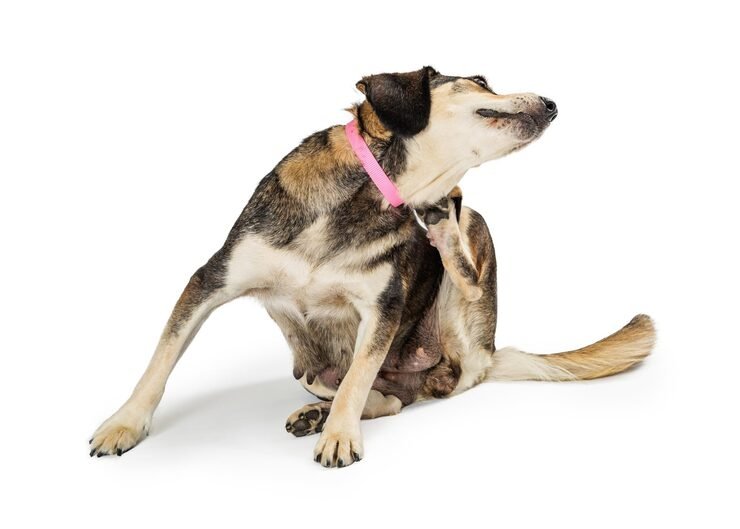
Dog scratching due to skin allergy in South Auckland

Itching, medically known as pruritus, is one of the most frequent and frustrating reasons pet owners seek veterinary care. Whether it is a dog incessantly licking its paws or a cat scratching its neck until the skin is raw, the sight of a pet in discomfort is distressing for any owner.

At The Vet Clinic, we see hundreds of animals every year suffering from a variety of skin ailments. Understanding the underlying cause of these issues is the first step toward providing relief. While a simple scratch here and there is normal, persistent itching often signals an underlying medical concern that requires professional intervention.

As the premier provider of veterinary services in the region, The Vet Clinic is dedicated to helping you navigate the complexities of pet dermatology. This guide explores the most common skin problems in dogs and cats, how to recognize the symptoms, and the advanced treatment options we provide to restore your pet’s quality of life.

🧬 Understanding Dog Skin Allergies and Cat Skin Conditions

This section covers the biological basis of allergic reactions and the distinct ways that skin conditions manifest in both canine and feline patients. Understanding the nuances of how different species react to allergens is essential for accurate diagnosis.

When we discuss dog skin allergies, we are typically referring to an overreaction of the immune system to substances that should otherwise be harmless. In dogs, these allergens can be inhaled (like pollen), ingested (like specific proteins in food), or absorbed through direct contact (like certain grasses found in Howick gardens). When a dog encounters an allergen, its body produces IgE antibodies, which trigger the release of histamine and other inflammatory chemicals in the skin. This leads to redness, swelling, and that undeniable urge to scratch. Common skin problems in dogs often start with a mild itch that quickly escalates into a secondary infection if the skin barrier is breached by scratching or biting.

Key Signs and Characteristics of Cat Skin Conditions

Takeaway: Allergies are an immune-mediated response that present differently in dogs and cats, necessitating a tailored diagnostic approach for each species.

🤔Deciphering the Symptoms: Why Is My Dog Always Itching?

This section details the specific clinical signs and behaviour changes associated with dermatological distress, helping owners identify when it is time to seek professional help.

If you find yourself wondering, “why is my dog always itching?“, it is crucial to look for dog skin allergies symptoms that go beyond the occasional scratch. Symptoms often vary depending on the cause, but common indicators include redness of the skin (erythema), recurrent ear infections, and staining of the fur from saliva. You might notice your dog rubbing their face on the carpet or chewing at their feet after a walk through the parks in Papatoetoe. These are not just habits; they are clear signs of irritation. When the itching becomes chronic, the skin may thicken and turn black, a process known as lichenification, which indicates long-standing inflammation.

At The Vet Clinic, our team is trained to differentiate between primary allergic symptoms and secondary complications. For example, a dog with environmental allergies may develop a secondary Staphylococcal infection, which creates a circular, crusty lesion called a collarette. Without addressing both the underlying allergy and the secondary infection, the itching will never truly resolve. If you notice any of these signs, we recommend visiting our General Practice page to learn more about how our diagnostic services can identify the root cause of your pet’s misery.

Takeaway: Recognizing the physical signs of skin distress early allows for faster intervention and prevents the development of painful secondary infections.

🦠 The Role of Parasite Prevention in Pets and Skin Health

Cat excessive grooming caused by skin irritation

This section explores the impact of external parasites on skin integrity and the necessity of a rigorous preventative regimen to avoid allergic flares.

One of the most frequent triggers for dermatological visits is flea allergy dermatitis in dogs and cats. For a pet with this condition, a single flea bite can trigger a massive allergic cascade. It is not the flea itself that causes the problem, but the protein in the flea’s saliva. Even if you don’t see fleas on your pet, they may still be the culprit; many pets are so efficient at grooming that they remove the evidence of the fleas, but the allergic reaction remains. A single female flea can lay up to 2,000 eggs during her lifetime, which often thrive in the humid climate of the Auckland region, making year-round parasite prevention pets essential.

Importance of Parasite Control for Pet Skin Health

Takeaway: Comprehensive, year-round parasite control is the most effective way to prevent flea allergy dermatitis and other parasitic skin irritations.

🌿 Allergy Management for Pets: From Diet to Environment

This section discusses the two primary categories of allergies—environmental and dietary—and the management strategies required for each.

Once parasites have been ruled out, we look toward environmental and food triggers. Environmental allergies, or atopy, are caused by things like dust mites, molds, and pollens. In the lush gardens of Botany, pets are frequently exposed to various grasses and weeds that can cause flare-ups. Skin care for dogs and cats with environmental allergies often involves a multi-modal approach. This might include regular bathing with medicated shampoos to remove allergens from the coat and the use of barrier-repair creams to strengthen the skin’s natural defenses.

Food Allergies in Pets and Their Diagnosis

🩺 Diagnostic Tools and Expert Care at The Vet Clinic

This section outlines the advanced diagnostic procedures used to pinpoint the cause of skin issues, ensuring that the treatment plan is targeted and effective.

To find the best vet clinic for itchy pets, you need a facility that goes beyond just treating symptoms. At The Vet Clinic, we utilize a range of diagnostic tools to get to the bottom of the problem. A typical dermatology consultation begins with a detailed history and a physical exam. We then often perform skin cytology, where we take a sample from the skin’s surface to look for bacteria or yeast under a microscope. This is vital because many pets with dog skin allergies also have secondary infections that must be treated simultaneously. The Vet Clinic provides specialized itchy dog treatment for pet owners in South Auckland to alleviate chronic discomfort caused by seasonal environmental allergens.

Takeaway: Accurate diagnosis through advanced testing is the only way to move from temporary symptom relief to long-term management.

Common skin problems in dogs and cats itching symptoms

This section explores the modern therapeutic options available, from cutting-edge medications to traditional topical therapies. The world of itchy skin treatment has advanced significantly in recent years. We no longer rely solely on steroids, which can have significant long-term side effects.

Today, we have access to targeted therapies that specifically block the itch signal at the cellular level. These include daily oral medications and monthly injections that provide rapid relief with fewer risks. The Vet Clinic offers specialized allergy management for pets in South Auckland to ensure that chronic skin conditions are managed with the latest veterinary diagnostics and therapeutic protocols. For many owners, seeing their pet stop scratching within 24 hours of treatment is nothing short of life-changing.

🐾 Topical Treatments for Pet Skin Conditions

Takeaway: Modern veterinary medicine offers safe and effective alternatives to traditional steroids, providing fast relief with minimal side effects.

♻️Long-term Skin Care for Dogs and Cats in Auckland

This section provides practical advice for maintaining skin health and preventing future flare-ups through proactive care and lifestyle adjustments.

This section provides practical advice for maintaining skin health and preventing future flare-ups through proactive care and lifestyle adjustments. Effective skin care for dogs and cats is a marathon, not a sprint. For many pets, allergies are a lifelong condition that requires ongoing management. This might mean adjusting your pet’s diet, maintaining a strict flea prevention schedule, and being mindful of environmental triggers. For example, rinsing your dog’s paws after they have been running through the coastal grasses in Howick can significantly reduce the allergen load they bring into the house. Regular check-ups with your local vets in South Auckland are also essential to monitor for early signs of a flare-up before it becomes a major problem.

🐾 Creating a Low-Allergen Environment for Pets

Takeaway: Proactive management and environmental control are the keys to maintaining long-term skin comfort and preventing relapse.

❓Frequently Asked Questions About Pet Skin Problems

While environmental allergies are very common, Flea Allergy Dermatitis remains a leading cause of pruritus. The humid climate in Auckland allows fleas to thrive year-round, making consistent parasite prevention essential for all pets, even those that stay indoors.

We strongly advise against using human medications without veterinary guidance. Many human topical treatments contain ingredients that are toxic if ingested by pets through licking, or they may simply be ineffective for the unique pH of animal skin. It is always best to consult a professional for a safe treatment plan.

Yes, certain breeds are genetically predisposed to atopy and other skin conditions. Dogs like West Highland White Terriers, French Bulldogs, and Labradors, as well as certain cat breeds, are often more sensitive to environmental allergens and require more intensive skin care management.

The timeline for relief varies depending on the treatment. Some modern anti-itch injections can provide relief within hours, while dietary trials can take several weeks to show results. We will provide you with a clear timeline and expectations during your consultation at The Vet Clinic.

If your dog has a genuine food allergy, a strict elimination diet using a novel or hydrolyzed protein can be curative. However, food allergies account for only a small percentage of skin cases, so a thorough diagnostic workup is needed to ensure we are addressing the right trigger.

🌟 Why Choose The Vet Clinic

Choosing the right veterinary clinic makes a real difference to your pet’s health and comfort. The Vet Clinic is committed to providing compassionate, professional care using modern diagnostic tools and experienced veterinary expertise. Every pet is treated with patience, respect, and individual attention. Clear communication ensures owners feel confident and informed at every step.

Skin problems and constant itching can significantly affect a pet’s comfort and health. Identifying the underlying cause—such as allergies, parasites, infections, or environmental factors—is essential for effective treatment and long-term relief

📞 Book Your Appointment Today

Dealing with a pet that is constantly itching can be exhausting for both the animal and the owner, but you do not have to face it alone. At The Vet Clinic, we pride ourselves on being the best vet clinic for itchy pets in the South Auckland area, offering compassionate care and expert diagnostic support. Whether you live in Botany, Manukau, Papatoetoe, or Howick, our team is here to provide the itchy skin treatment and long-term allergy management pets need to thrive. Don’t let your pet suffer in silence—reach out to The Vet Clinic today and let us help your furry friend feel comfortable in their own skin once again.

At The Vet Clinic, we’re proud to help families across Botany, care for their pets through every season. Our preventive care plans, allergy support, and professional grooming services make summer a stress-free time for both pets and owners.

👉 Book your pet’s summer check-up today and give them the comfort and protection they deserve!

👉 Call us on 📞 (09)9482880 or request an appointment online.
💺 Spots fill up quickly — secure your pet’s appointment today for safe, loving care

Dog bad breath is a common concern in Auckland, and when my dog’s breath smells bad in Auckland, many pet owners wonder why does my dog have bad breath Auckland and whether bad breath in dogs Auckland is normal. The most common dog bad breath causes in Auckland include dog dental disease Auckland and poor dog oral health Auckland, often linked to diet, lifestyle, and lack of regular dental care. Understanding when should I worry about my dog’s bad breath Auckland is important, as persistent or worsening odour can signal infection or underlying illness. Knowing when to see a vet for dog bad breath Auckland helps Auckland pet owners protect their dog’s comfort, health, and quality of life.