
Welcoming a new canine companion into your home is a journey filled with joy, responsibility, and essential health decisions. Among the most critical choices a pet owner will make is the decision to desex their dog. At The Vet Clinic, we understand that while health remains the primary concern, transparency regarding financial commitments is equally important for modern New Zealand families. As we navigate the landscape of 2026, the dog desexing cost in NZ remains a frequent topic of inquiry for those seeking the best for their puppies. This comprehensive guide is designed to provide you with an authoritative overview of what to expect, the intricacies involved in professional dog neutering, and why choosing the right pet desexing clinic in Auckland, specifically at our Botany location, ensures the highest standard of care for your beloved animal. By understanding the variables that influence veterinary surgery prices in NZ, you can better prepare for this significant milestone in your dog’s life.
Understanding the Variables of Dog Desexing Cost in NZ (2026)
When pet owners inquire about the dog desexing cost in NZ, they often find that a single flat rate is rarely applicable. This variability exists because veterinary medicine is a highly individualized field. At The Vet Clinic, we categorize these costs based on several physical and clinical factors to ensure that every animal receives a safe and appropriately scaled intervention. One of the primary drivers of cost is the weight of the dog. Larger dogs require more anaesthetic, longer surgical time, and higher dosages of pain relief medication, all of which influence the final price point. Additionally, the sex of the animal plays a massive role; female dogs undergo a more invasive abdominal surgery known as spaying, whereas male dogs undergo neutering, which is typically external and less complex. Consequently, the spaying dog price is generally higher than the cost of neutering a dog.
Beyond the physical attributes of the pet, the level of technology and expertise utilized by the clinic also dictates the veterinary surgery costs in NZ. In 2026, modern standards of care at The Vet Clinic involve sophisticated monitoring equipment, high-grade surgical materials, and a dedicated team of professionals focused solely on your pet’s safety. When looking for low cost dog neutering in NZ, it is vital to assess what is included in that price. We believe in providing a comprehensive package that includes pre-operative assessments, intravenous fluids during surgery to maintain blood pressure, and advanced multimodal pain management. This approach ensures that while you are looking at the financial aspect, the welfare of the animal is never compromised. Pet owners in Auckland often find that the dog desexing cost reflects this commitment to quality and safety, providing a balance between competitive pricing and elite veterinary care pricing. Taking these factors into account allows for a more realistic expectation of the financial investment required for long-term pet health.
- Pet Weight: Larger breeds require more resources and medication.
- Gender: Female spaying is an internal abdominal surgery requiring more time and precision.
- Age and Health Status: Older dogs or those with underlying conditions may require extra monitoring.
- Clinic Technology: Use of advanced monitors and high-quality anaesthesia.
- Inclusions: Whether post-operative check-ups and pain relief are bundled into the initial price.
Takeaway: The cost of desexing is determined by the specific biological needs of your dog and the quality of clinical care provided, with larger and female dogs typically requiring a higher investment.
Neutering vs Spaying Price: Decoding the Surgical Differences
To understand why there is a discrepancy in pricing, one must understand the anatomical complexity involved in each procedure. Neutering, or castration, for a male dog involves the removal of both testes through a small incision made just in front of the scrotum. This is a relatively straightforward procedure for a skilled surgeon at The Vet Clinic, involving less surgical time and a faster recovery period. However, it still requires the same level of sterile theatre environment and expert anaesthesia as any major operation. When pet owners compare the cost of neutering a dog to spaying, they often notice that the male procedure is more economical due to its less invasive nature.
Conversely, spaying—or an ovariohysterectomy is the surgical removal of the ovaries and usually the uterus. This requires an incision into the abdominal cavity, which is a significant surgical event. The surgeon must carefully ligate major blood vessels and ensure the entire reproductive tract is removed to prevent future health issues such as pyometra (a life-threatening uterine infection). Due to the increased surgical time, the need for more complex suturing, and the higher level of skill required to navigate the internal organs safely, the dog spaying reflects a more intensive medical process. At The Vet Clinic, we prioritize surgical precision and patient comfort, ensuring that our spay and neuter services are performed with the utmost care regardless of the procedural complexity. Residents seeking a pet desexing clinic in Botany will find that our transparent pricing structure clearly outlines these differences, allowing for informed decision-making.
Furthermore, it is important to note that certain conditions can complicate these surgeries. For example, if a male dog is cryptorchid (one or both testicles have not descended into the scrotum), the neutering becomes an abdominal surgery similar in complexity to a spay, thus increasing the price. Similarly, if a female dog is in heat at the time of the surgery, the tissues become more friable and vascular, necessitating extra care and time. At The Vet Clinic, we communicate these potential variations early in the process so there are no surprises for our clients. By choosing professional dog neutering and spaying, you are investing in a sterile environment and a team trained to handle these complexities with ease. Our goal is to provide a seamless experience where the focus remains on the clinical outcome and the well-being of your puppy.
- Neutering (Male): Less invasive, external removal of testes, typically lower cost.
- Spaying (Female): Major abdominal surgery, internal removal of reproductive organs, higher cost.
- Cryptorchidism: Retained testicles in males can increase the complexity and cost of neutering.
- Vascularity: Surgery during a heat cycle in females can increase surgical risks and time.
- Surgical Environment: Both procedures require a fully equipped, sterile operating theatre.
Takeaway: Female spaying is more expensive than male neutering because it is a more complex, internal abdominal surgery that requires more time and surgical resources.
The Geographic Landscape: Veterinary Care Pricing in NZ
Veterinary care pricing is influenced by the local economy, including overheads such as rent, staff wages, and the cost of maintaining high-end medical equipment. While pet owners in Auckland may encounter different price points based on their regional market conditions, Auckland presents its own unique set of economic factors. As a major metropolitan hub, Auckland clinics often invest heavily in the latest medical advancements to meet the high expectations of pet owners who treat their animals as family members. The Vet Clinic in Botany is proud to be part of this high-standard landscape, offering professional dog neutering services that are competitive within the local market while maintaining an uncompromising focus on clinical excellence.
When researching dog desexing cost in NZ, many owners look for low cost pet desexing options. While there are initiatives in various regions, including Auckland, aimed at controlling the pet population through subsidised programs, these often have strict eligibility criteria based on community services or specific breeds. For most pet owners, the priority is finding a clinic that offers the best value – a combination of fair pricing and superior medical care. The Vet Clinic serves the Auckland community by providing a facility where cutting-edge technology and compassionate care meet. We ensure that our veterinary surgery prices in NZ are transparent and inclusive of the essential safety measures that protect your pet during their time with us. Choosing a local clinic in Botany means you have easier access to follow-up care and the peace of mind that comes with knowing your vet understands the local environment.
It is also worth noting that the standard of care in New Zealand’s veterinary sector is among the highest in the world. This is reflected in the cost of neutering a dog, which covers the expenses of registered veterinary surgeons, qualified nursing staff, and pharmaceutical-grade anaesthetics. At The Vet Clinic, we believe that providing high-quality care at a fair price is the best way to support our community. Whether you are comparing costs with friends in Auckland or looking for the best options in Auckland, the key is to look at the value provided by your local provider. Our clinic focuses on the specific needs of the Auckland pet population, ensuring that every procedure from routine desexing to complex veterinary surgery is handled with the same level of professional rigor. This geographic focus allows us to build long-term relationships with our clients and their pets, ensuring better health outcomes over the animal’s lifetime.
- Local Overheads: Rent, rates, and staffing costs in Auckland influence pricing.
- Regional Programs: Subsidized options in other cities often have specific eligibility requirements.
- Value for Money: Assessing the balance between surgical safety and the final price.
- Proximity to Care: Local clinics like The Vet Clinic in Botany offer convenient follow-up and emergency support.
- National Standards: NZ vets follow strict protocols regardless of their specific city location.
Takeaway: Regional differences in New Zealand mean pricing varies, but The Vet Clinic in Botany offers Auckland residents a premium, high-value service that prioritizes patient safety.
When to Desex a Puppy: Timing and Developmental Health
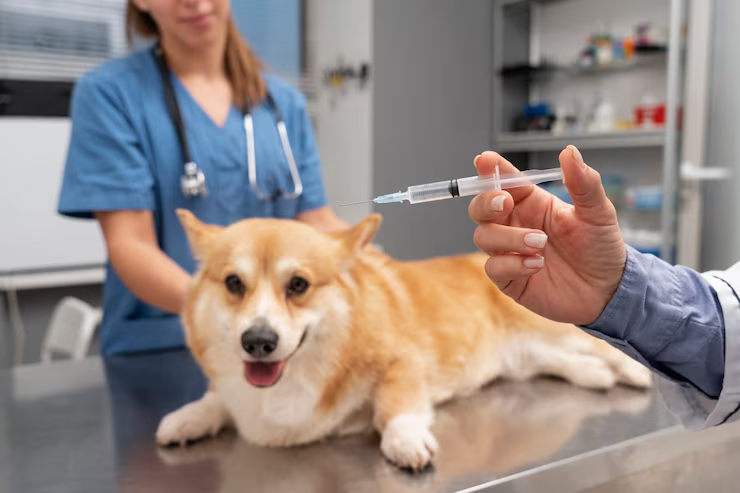
One of the most common questions we receive at The Vet Clinic is regarding the ideal timing for this procedure. In the past, a standard six-month window was the universal recommendation. However, modern veterinary science suggests that when to desex a puppy depends heavily on the breed, size, and lifestyle of the individual dog. For example, smaller breeds often reach skeletal maturity earlier and can be safely desexed at a younger age. Conversely, for many large and giant breeds, there is growing evidence that waiting until they are closer to 12 or 18 months old may benefit their joint development and overall growth. Our team at The Vet Clinic works closely with owners to determine the best puppy desexing age for their specific pet, balancing the health benefits with the risks of early or late intervention.
Moreover, the age at which a dog is desexed can impact the dog desexing cost. For instance, a very young, small puppy is easier to handle and requires less medication, whereas a fully grown large-breed dog will require more resources. However, waiting until the dog is older may sometimes be the better clinical choice, even if it results in a slightly higher price for the surgery. At The Vet Clinic, we are transparent about these factors, helping you understand how timing influences the veterinary surgery costs in NZ. Research shows that approximately 80% of un spayed female dogs will develop mammary tumors if not spayed before their first heat, highlighting the importance of timely intervention. Our Botany-based experts are here to guide you through these statistics to ensure your dog receives the most beneficial care at the right time. By aligning the surgery with your dog’s developmental milestones, you are setting them up for a healthier, more comfortable life.
- Small Breeds: Generally safe to desex around 6 months of age.
- Large Breeds: May benefit from waiting until 12-18 months for joint health.
- Hormonal Influence: Early desexing can prevent many reproductive cancers.
- Growth Plates: Timing affects skeletal development, especially in bigger dogs.
- Individual Assessment: Every puppy at The Vet Clinic receives a tailored recommendation.
Takeaway: The best age to desex a puppy varies by breed and size; consulting with The Vet Clinic ensures the procedure is timed for optimal long-term health and joint development.
The Clinical Standard: What Happens During a Vet Clinic Pet Surgery
This section provides a detailed look into the surgical process at The Vet Clinic, explaining the high standards of care that define our professional dog neutering services. When your pet arrives at our clinic for surgery, they are not just another appointment; they are a patient under our protection. The process begins with a comprehensive physical examination to ensure the dog is fit for anaesthesia. Many owners are curious about what the veterinary surgery prices in NZ actually cover, and it starts right here with this expert clinical assessment. We also strongly recommend pre-anaesthetic blood work, which allows our vets to check kidney and liver function, ensuring the body can safely process the medications used during the procedure. This level of diligence is a hallmark of The Vet Clinic in Botany, where we prioritize safety above all else.
Inside the operating theatre, your dog is monitored by both a veterinarian and a dedicated veterinary nurse. We use state-of-the-art equipment to track heart rate, blood oxygen levels, blood pressure, and temperature. Keeping a pet warm during surgery is vital for a smooth recovery, so we utilize specialized warming blankets throughout the procedure. The surgery itself is performed using sterile technique, with the vet in full surgical attire and the instruments autoclaved to the highest medical standards. This attention to detail is what defines a quality pet desexing clinic. Whether it is a routine neuter or a more complex spay, the focus is on minimal tissue trauma and precise closure. The Vet Clinic provides expert spay and neuter services at our modern Auckland facility to ensure your pet receives the highest standard of care during their recovery period. This commitment ensures that your pet wakes up comfortably and begins their healing process immediately.
Following the surgery, the monitoring continues. As the dog wakes from anaesthesia, they are kept in a warm, quiet recovery ward where they are closely observed. Pain management is a cornerstone of our practice at The Vet Clinic. We utilize a multimodal approach, meaning we use different types of pain relief that work together to provide the most effective comfort for your pet. This often includes a combination of local anaesthetic at the surgical site, injectable pain relief during the procedure, and oral medications to take home. When evaluating the cost of neutering a dog, it is essential to consider these ‘behind the scenes’ elements that contribute to a successful outcome. We believe that professional dog neutering should always include comprehensive pain care, as a comfortable dog heals faster and with fewer complications. This thorough approach is why our clients trust us with their pets’ lives every day.
- Pre-Op Exam: A vital check of the heart, lungs, and general health status.
- Blood Screening: Identifying hidden health issues before anaesthesia.
- Surgical Monitoring: Constant tracking of vital signs by a dedicated nurse.
- Thermostability: Using warming systems to maintain body temperature.
- Multimodal Pain Relief: Using various medications to ensure maximum comfort.
Takeaway: A successful desexing surgery involves rigorous pre-op checks, high-tech monitoring, and a focus on pain management, all of which are included in the professional service at The Vet Clinic.
Dog Recovery After Surgery: A Comprehensive Home Care Guide
The first 24 to 48 hours after returning home are the most critical. Your dog may be a little drowsy from the anaesthesia, and it is important to provide them with a quiet, comfortable space away from other pets and children. At The Vet Clinic, we provide detailed discharge instructions to every owner, but the golden rule is always rest. Preventing your dog from running, jumping, or roughhousing is vital to ensure the surgical site remains intact. Many owners find the dog desexing recovery tips provided by our staff to be invaluable during this period. One of the most common challenges is the ‘Elizabethan collar’ or the cone. While dogs may not enjoy wearing it, it is the best tool we have to prevent them from licking or chewing at their stitches, which can lead to infection and costly follow-up treatments.
Infection prevention is a major focus during the recovery phase. Owners should inspect the incision site twice daily for any signs of excessive redness, swelling, or discharge. While a small amount of bruising can be normal, anything that looks angry or wet should be reported to the clinic immediately. At The Vet Clinic, we include a post-operative check-up in our service to ensure the healing is progressing as expected. This proactive approach helps us catch any minor issues before they become major problems. Additionally, feeding a light meal the evening after surgery can help settle the stomach, as some dogs experience mild nausea from the anaesthetic. If you have concerns about your pet’s progress, the team at The Vet Clinic in Botany is always just a phone call away, providing the local support you need during this stressful time.
Long-term recovery usually takes about 10 to 14 days, at which point the internal tissues have gained enough strength for the dog to return to normal activity. During this time, lead-only walks are the maximum exercise allowed. It is also a good time to keep your dog mentally stimulated with puzzles or chew toys that don’t require physical exertion. Statistics show that proper post-operative care reduces the risk of surgical complications by over 70%. By following the guidelines provided by The Vet Clinic, you are significantly increasing the chances of a smooth and rapid recovery. We understand that seeing your pet in a cone can be difficult, but remember that these few days of restriction are a small price to pay for a lifetime of health benefits. Our team is committed to supporting you through every step of this process, ensuring that your dog’s journey from surgery to full health is as seamless as possible.
- Restricted Activity: No running or jumping for at least 10 days.
- Incision Monitoring: Check the site twice daily for signs of infection.
- The Cone: Must be worn at all times to prevent licking and chewing.
- Pain Medication: Administer all prescribed meds as directed, even if the dog seems fine.
- Lead Walks Only: Brief outings for toileting purposes only during the first week.
Takeaway: Success in recovery depends on strict adherence to rest, the use of protective collars, and careful monitoring of the incision site, all supported by the expert guidance of The Vet Clinic.
The Long-Term Health Benefits of Desexing Dogs
This section explores the profound health and behavioural benefits of desexing dogs, illustrating why this procedure is a wise investment for every pet owner. Beyond preventing unplanned litters, the benefits of desexing dogs extend into almost every aspect of their long-term health. For female dogs, the most significant advantage is the elimination of the risk of pyometra. This is a severe, life-threatening uterine infection that affects approximately 25% of unspayed female dogs by the age of ten. Treating pyometra requires emergency surgery that is far more expensive and risky than a routine spay. By investing in the dog spaying now, you are effectively buying insurance against this dangerous condition. Furthermore, desexing significantly reduces the incidence of mammary tumours, which are the most common type of cancer in unspayed female dogs.
For male dogs, the benefits of neutering dogs are equally compelling. It completely removes the risk of testicular cancer and significantly reduces the risk of non-cancerous prostate enlargement and infections. Prostatic diseases can cause significant pain and difficulty with urination and defecation in older intact males. Research shows neutering reduces the risk of prostatic diseases in up to 90% of male dogs over the age of eight. Additionally, neutering can have a positive impact on behavior. Intact males are much more likely to roam in search of a mate, which puts them at a high risk of being involved in road traffic accidents. They may also show increased aggression toward other male dogs and engage in frustrating territorial marking inside the home. At The Vet Clinic, we have seen first-hand how professional dog neutering leads to calmer, more settled pets that are better integrated into their families.
When you consider the lifetime of your dog, the veterinary surgery costs in NZ associated with desexing are minimal compared to the potential costs of treating the diseases it prevents. A desexed dog is generally easier to manage, lives a longer and healthier life, and avoids many of the hormonal stresses associated with being ‘intact’. Studies indicate that desexed female dogs live on average 26% longer than intact counterparts. At The Vet Clinic, we are dedicated to helping your pet reach their full potential, and we believe that desexing is a cornerstone of that mission. Our team in Botany is passionate about preventative health, and we are here to discuss how these benefits apply specifically to your dog’s breed and lifestyle. By choosing to desex your pet, you are making a proactive choice for their future welfare, ensuring many more years of happy companionship.
- Prevents Pyometra: Eliminates the risk of a life-threatening uterine infection.
- Cancer Reduction: Lowers the risk of mammary, testicular, and ovarian cancers.
- Prostate Health: Reduces the risk of prostate enlargement and infections in males.
- Behavioural Stability: Decreases roaming, marking, and certain types of aggression.
- Increased Longevity: Desexed pets tend to live longer, healthier lives on average.
Takeaway: Desexing is a powerful preventative health measure that protects dogs from several fatal diseases and improves their overall quality of life and longevity.
Frequently Asked Questions About Dog Desexing Cost and Care
What is the average dog desexing cost NZ in 2026?
The cost varies based on the dog’s weight, gender, and specific health needs, but typically ranges from $300 to $700. At The Vet Clinic, we provide a detailed quote following an initial assessment to ensure accuracy and transparency for our clients.
Is there a difference in spaying dog price for different breeds?
While the breed itself doesn’t always change the price, the size and weight associated with the breed do. Larger breeds require more anaesthesia and surgical time, which is reflected in the veterinary care pricing at our Botany clinic.
Are there options for low cost pet desexing NZ at your clinic?
The Vet Clinic focuses on providing the highest standard of professional dog neutering, which includes advanced monitoring and pain relief. We believe our pricing offers the best value for owners who want to ensure their pet’s safety and comfort throughout the procedure.
What are the most important dog desexing recovery tips?
The most crucial tips are ensuring strict rest for 10-14 days, keeping the Elizabethan collar on at all times, and monitoring the incision site for any changes. Following the specific discharge instructions provided by The Vet Clinic is the best way to ensure a fast recovery.
When is the best puppy desexing age?
While 6 months is common, we recommend a tailored approach. The Vet Clinic in Botany offers professional dog neutering services designed to provide peace of mind and lifelong health benefits for your furry family member by choosing the timing that fits their specific developmental needs.
The Value of Choosing The Vet Clinic for Your Dog’s Desexing
Choosing where to have your dog desexed is a decision that impacts their health for years to come. While the dog desexing cost in NZ is an important factor, it should always be weighed against the quality of care, the expertise of the surgical team, and the safety protocols in place. At The Vet Clinic, we take pride in being a leading pet desexing clinic that offers more than just a procedure; we offer a commitment to your pet’s long-term wellness. Our modern facility in Botany is equipped to handle everything from routine spay and neuter services to more complex veterinary surgery, all delivered with a compassionate touch. By choosing us, you are ensuring that your dog receives the best possible start to their adult life, backed by a team that genuinely cares about their recovery and future. We invite you to contact us to discuss your pet’s needs and see why so many Auckland families trust The Vet Clinic with their most precious companions. Visit us at https://thevetclinic.co.nz/ to book your consultation today and take the first step toward a healthier future for your dog.